Persistent power outages in Zambia have severely disrupted the poultry industry, triggering a major shift in consumer habits and putting pressure on farmers, processors, and retailers. As load shedding intensifies across the country, the Poultry Association of Zambia has raised concerns that the impact could be long-term and damaging for the entire value chain.
At the center of the crisis is the breakdown of Zambia’s cold-chain system. Poultry products rely on consistent refrigeration from production to the point of sale. However, due to frequent power cuts, freezers and fridges across the country can no longer maintain safe temperatures. As a result, many Zambian households have stopped buying chicken in bulk, fearing that stored meat will spoil. Instead, they now purchase smaller quantities that can be prepared immediately, leading to a significant drop in bulk demand.
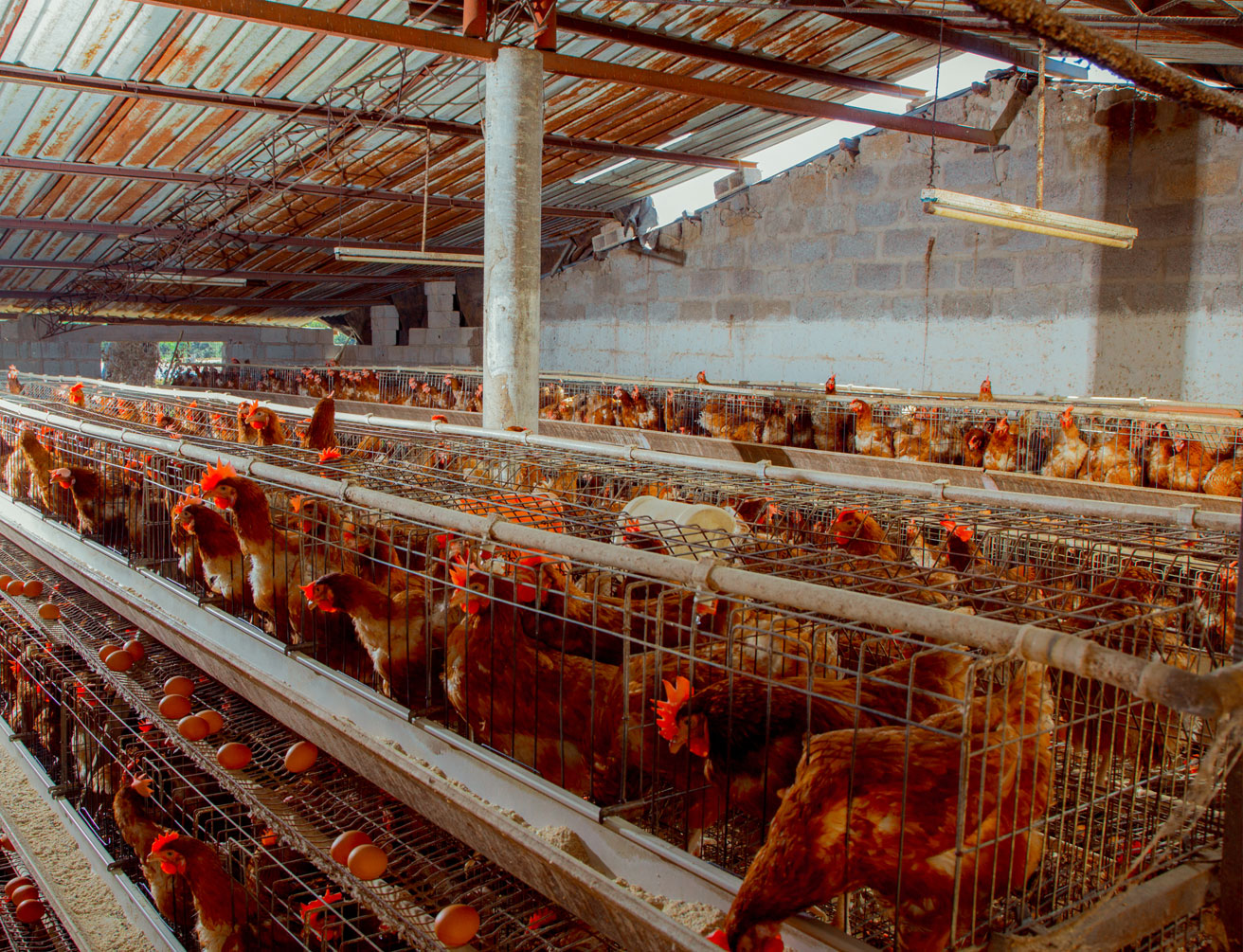
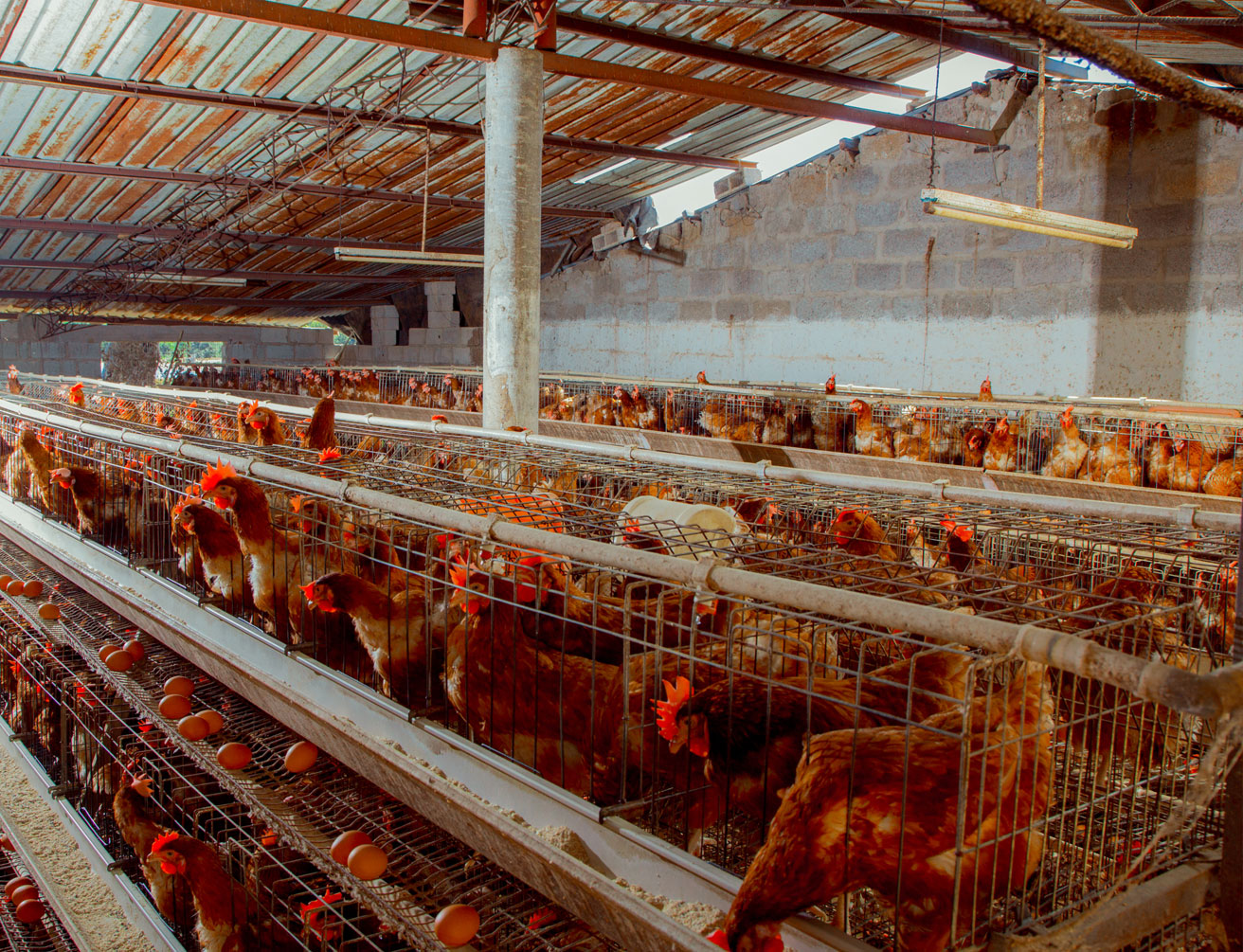
This decline has created a domino effect throughout Zambia’s poultry sector. Farmers who usually sell large consignments now find themselves keeping birds longer than planned. In some cases, chickens remain on farms for up to 12 additional weeks, far beyond their ideal market age. Keeping birds this long increases feeding costs, heightens the risk of disease, affects meat quality, and places pressure on already limited housing space.
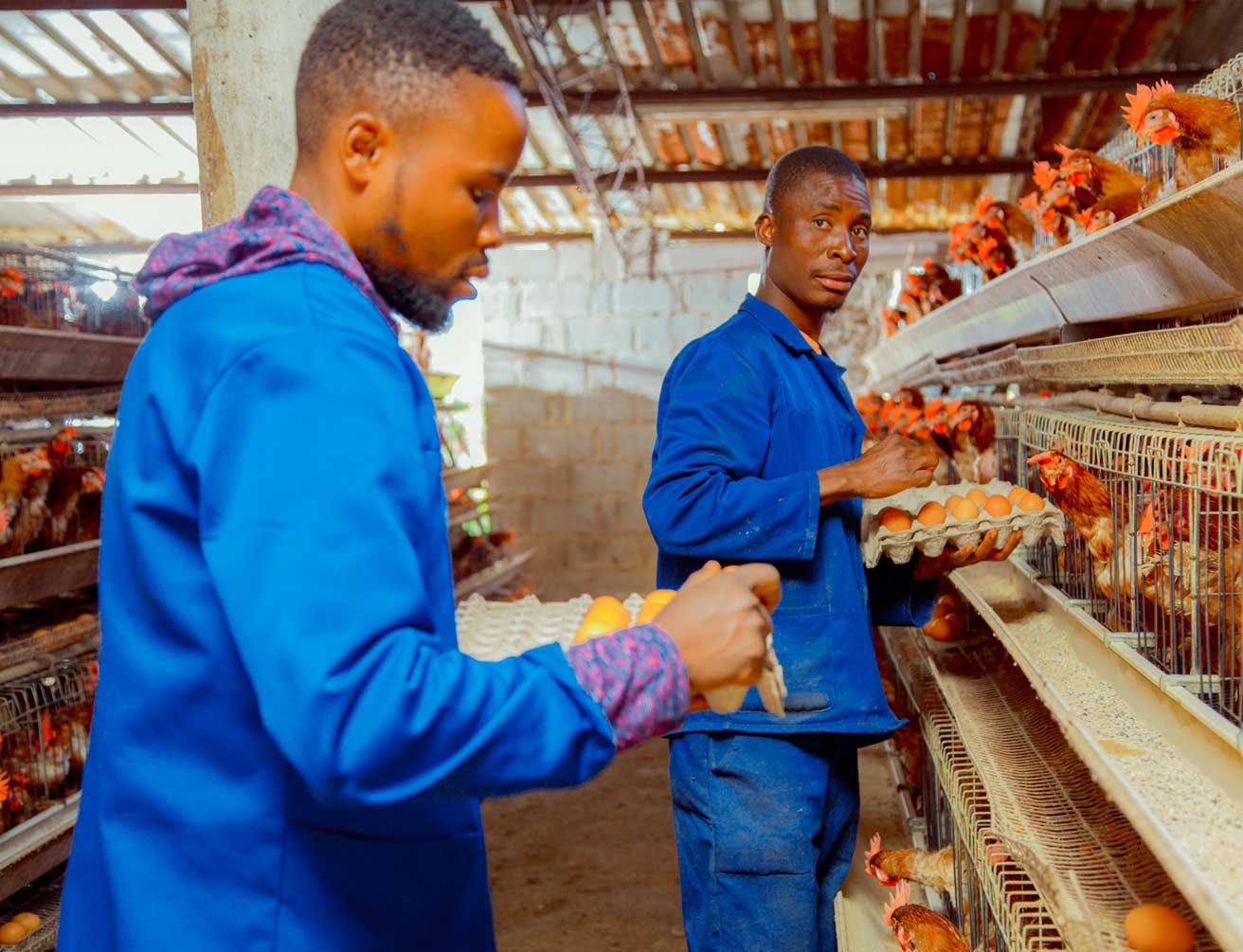
Small- and medium-scale farmers in Zambia are particularly affected. Most lack access to alternative power sources such as generators, making it difficult to run vital equipment like incubators, brooding lamps, and ventilation systems. Without these, raising healthy birds becomes a challenge, and many farmers are recording heavy losses or halting production altogether. Even those with backup power face rising expenses, as generator fuel and maintenance costs continue to climb.
Processing plants and abattoirs in Zambia are also struggling. They require steady power to operate cold rooms, ensure hygiene standards, and safely store poultry before distribution. With the combined burden of increased operational costs and reduced market demand, profitability across the sector is shrinking.
The economic implications for Zambia are worrying. A once predictable industry is now marked by uncertainty, with producers unable to plan their production cycles reliably. Many farmers hesitate to invest in new batches of birds, fearing they may not recover costs due to unstable demand and unreliable electricity. If these challenges persist, Zambia may face a reduction in poultry supply and possible price increases for consumers.