Zambia’s poultry industry is entering a new phase of growth and opportunity as plans take shape to expand the Poultry Market Initiative (PMI) across Southern, Lusaka, and Copperbelt Provinces in 2026. This expansion reflects a strong commitment to strengthening local poultry value chains, improving farmer livelihoods, and supporting food security through sustainable and commercially viable poultry farming models. By partnering with Hybrid Poultry Farm, the initiative is positioning itself to build on past successes while reaching a much broader base of farmers.
Over the years, PMI activities in Zambia have demonstrated that small and medium-scale poultry farming can be a powerful driver of economic empowerment when farmers are supported with the right systems. Access to quality day-old chicks, reliable feed, technical training, and structured market linkages has enabled many producers to move from subsistence-level operations to more profitable enterprises. The upcoming expansion is designed to scale these proven approaches, ensuring that lessons learned are applied across new regions with diverse farming conditions and market dynamics.
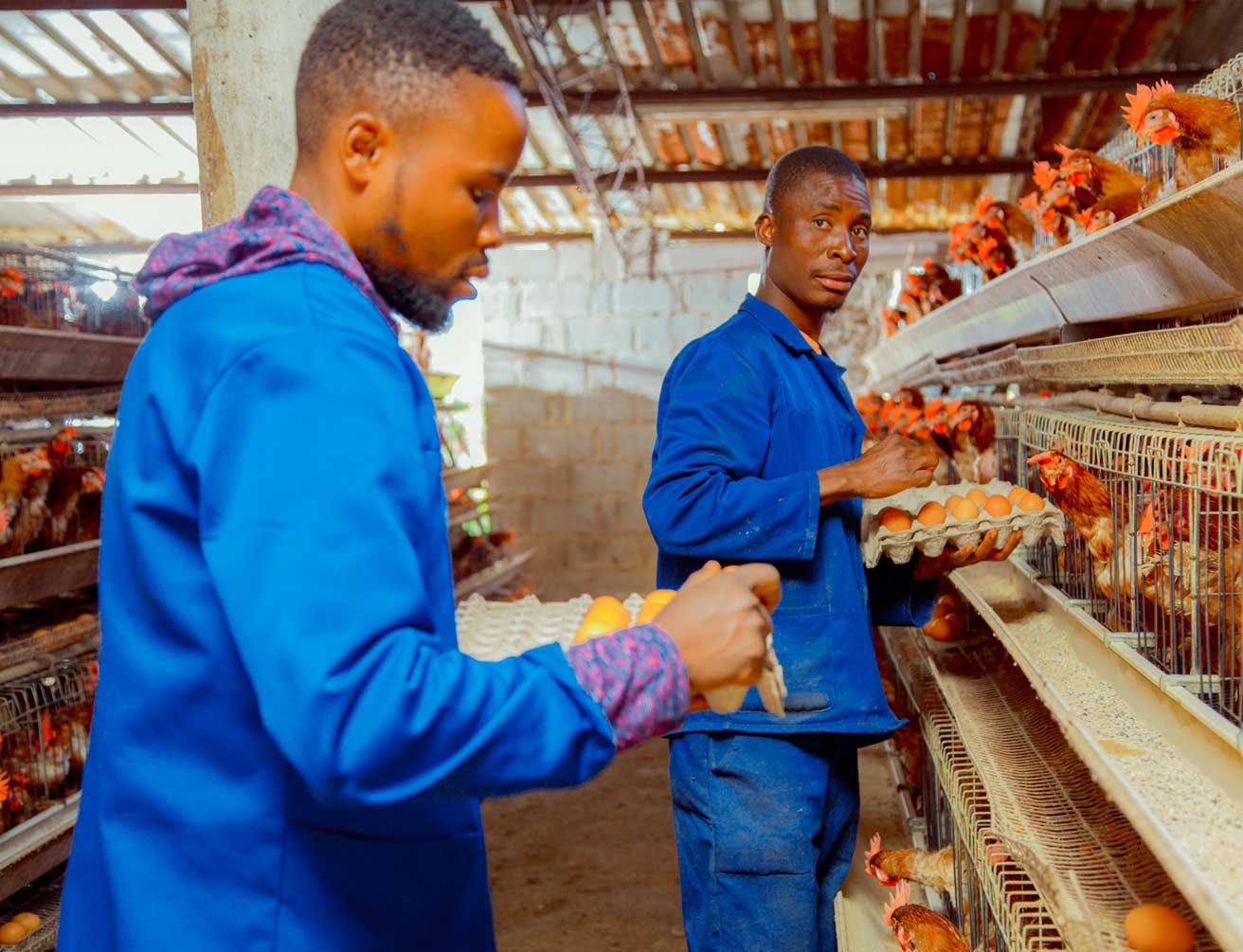
A major focus in the lead-up to the 2026 rollout is the development of strong and well-coordinated field teams. These teams will serve as the backbone of the program, offering direct support to farmers and acting as a bridge between producers and the wider poultry ecosystem. Through regular farm visits, trainings, and performance monitoring, field officers will help farmers adopt best practices in flock management, biosecurity, feeding, and record-keeping. This hands-on support is critical to improving productivity, reducing losses, and building farmer confidence.
Community outreach will also play a central role in the expansion strategy. Engaging communities early helps create awareness about the opportunities within the poultry value chain and encourages collective participation. Outreach activities will focus on inclusivity, ensuring that women, youth, and emerging entrepreneurs are actively involved. By fostering strong relationships at the community level, the program aims to build trust, encourage knowledge sharing, and create a supportive environment for long-term success.
In parallel, significant investment will be directed toward strengthening data systems. Reliable data is essential for tracking progress, identifying challenges, and guiding continuous improvement. Enhanced data collection and analysis will allow the program to monitor farmer performance, forecast demand, and optimize supply chains. For Business Units (BUs) and Small-Scale Poultry Producers (SSPs), access to data-driven insights can improve planning, reduce operational risks, and support smarter business decisions.
Expanded support for BUs and SSPs remains a cornerstone of the initiative. Beyond production, the program emphasizes business sustainability by equipping farmers with skills in financial management, cost control, and market engagement. This comprehensive approach recognizes that profitability depends not only on raising healthy birds but also on efficient operations and stable market access. Strengthening these areas helps farmers build resilient enterprises capable of withstanding market fluctuations and external shocks.
Planning efforts with Hybrid Poultry Farm are already progressing well, underscoring the importance of strong partnerships in achieving scale and impact. Joint planning ensures alignment on technical standards, logistics, and farmer support mechanisms, laying a solid foundation for implementation. As preparations continue, teams are building momentum and refining strategies to ensure a smooth launch and rapid uptake once activities begin.
Looking ahead, the expansion of the PMI program across Southern, Lusaka, and Copperbelt Provinces represents more than geographic growth—it signals a deeper investment in Zambia’s agricultural future. By empowering farmers with knowledge, resources, and market connections, the initiative aims to create lasting economic benefits while strengthening national poultry production. As implementation unfolds, ongoing updates will share progress and success stories, highlighting how collaborative, well-structured interventions can transform livelihoods and drive sustainable development within the poultry sector