Brazil is rapidly strengthening its position in Africa’s poultry market, with rising chicken shipments putting greater pressure on European exporters and giving African buyers more competition as global suppliers compete for the continent’s growing demand for affordable poultry meat.
The shift is expected to become more significant in 2027, after Brail lost access to the European Union market under new EU requirements governing antimicrobial use in food-producing animals. The European Commission’s rules took effect on September 3, 2026, restricting market access for countries that do not provide the required guarantees on antimicrobial practices.
The development could encourage Brazilian exporters to redirect more poultry products towards alternative markets, including Africa, where Brazil has already established a significant presence.
According to the U.S. Department of Agriculture assessment cited by The Guardian, EU chicken meat exports are projected to decline by 1.3 percent to about 1.75 million tonnes in 2027, following growth of 1.8 percent in 2026. Stronger competition from Brazil is expected to contribute to the decline.
Africa is already an important destination for Brazilian poultry. Data from the Brazilian Animal Protein Association shows that African countries imported about 1.16 million tonnes of Brazilian chicken in 2025, representing a 20.3 percent increase from the previous year. It was the first time shipments to Africa exceeded one million tonnes.
South Africa remained Brazil’s largest African market, while exports also increased to destinations including Angola, Libya, Ghana, Guinea and Congo. Brazil’s growing presence is particularly significant in markets where European poultry suppliers have traditionally played an important role.
Ghana, the Democratic Republic of Congo, Congo, Mozambique and Guinea are among the major sub-Saharan African destinations for lower-priced frozen chicken cuts and mechanically separated chicken meat. Together, the five markets accounted for almost a quarter of EU poultry exports by volume in 2025, according to the report.
This creates direct competition between two major international suppliers in markets where African consumers and importers are highly sensitive to price. Brazil’s established production scale, competitive export pricing and growing market network give its exporters an opportunity to increase their presence as European suppliers face changing market conditions.
Brazil is not relying solely on the disruption in Europe to expand its global poultry business. Its exporters have continued to pursue new destinations and diversify their customer base. USDA data shows that Brazil opened 225 new overseas markets for agricultural products in 2025, including 27 related to poultry and poultry products.
Brazil’s broader poultry export performance has also remained strong. In the first eight months of 2026, the country exported about 3.92 million tonnes of chicken meat and poultry products, a 15.5 percent increase compared with the same period in 2025. Export revenue reached approximately US$7.69 billion, up 21.9 percent year on year.
Africa’s importance to the Brazilian poultry industry is illustrated by the performance of South Africa. In 2025, the country imported about 336,000 tonnes of Brazilian chicken, an increase of 3.3 percent from 2024, according to ABPA data.
The growing competition could create opportunities for African poultry importers and consumers by increasing the number of international suppliers competing for market share. Greater competition can provide buyers with more sourcing options and potentially place downward pressure on prices, particularly in markets heavily dependent on imported frozen chicken.
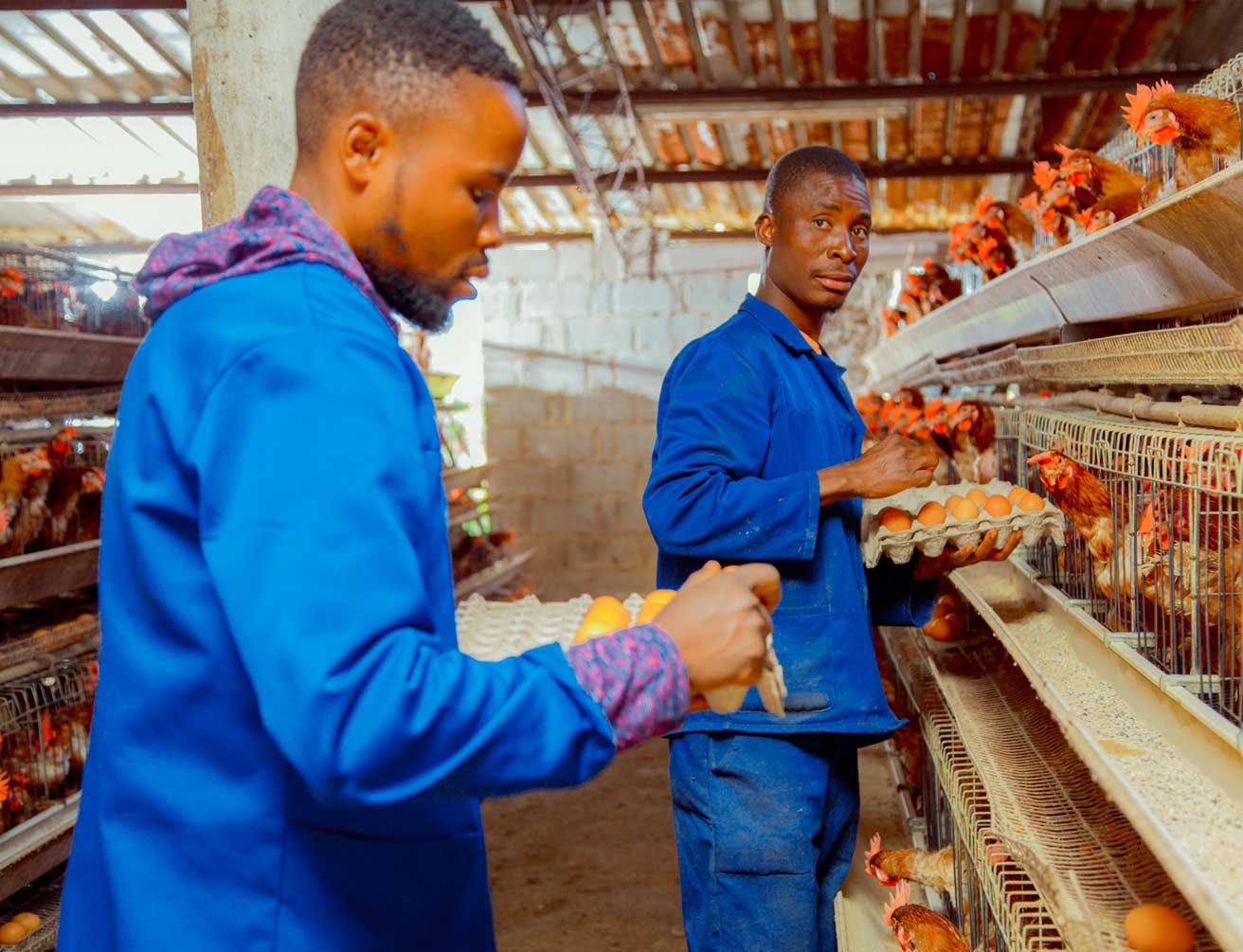
For Africa’s domestic poultry producers, however, increased availability of competitively priced imported chicken could create a more challenging market environment. Local farmers already contend with high feed costs, expensive energy, limited financing, disease risks and infrastructure constraints. Competition from large international producers could make it more difficult for some domestic producers to compete on price alone.
The development therefore highlights the importance of strengthening African poultry value chains. Investments in feed production, genetics, hatcheries, processing, cold storage, disease control and efficient distribution could help local industries improve productivity and reduce production costs.
At the same time, African governments face the challenge of balancing affordable poultry supplies for consumers with policies designed to support domestic producers. Import tariffs, quotas, sanitary requirements and other trade measures can influence how international competition affects local markets.
Brazil’s expansion also comes as global poultry trade continues to grow. USDA forecasts global chicken meat exports at a record 14.7 million tonnes in 2026, with growth driven largely by increasing shipments from Brazil and China and rising demand for lower-priced animal protein.
Brazil’s growing presence means Africa is becoming an increasingly important battleground in global poultry trade. For consumers and importers, stronger competition may bring greater choice, while African producers will face increasing pressure to improve efficiency, productivity and value-chain integration if they are to capture a larger share of the continent’s expanding poultry market.