South Africa’s record maize harvest is easing feed-cost pressures for poultry and livestock producers, but rising fuel prices, weather uncertainty, and the possibility of El Niño conditions could limit how much farmers ultimately benefit from cheaper maize.
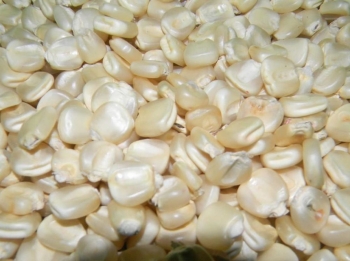
The country’s strong maize production has improved domestic supply and is expected to keep the market adequately stocked for the remainder of the current marketing season. According to the Absa AgriTrends Spring 2026 edition, record production combined with substantial carryover stocks is expected to limit upward pressure on maize prices in the near term.
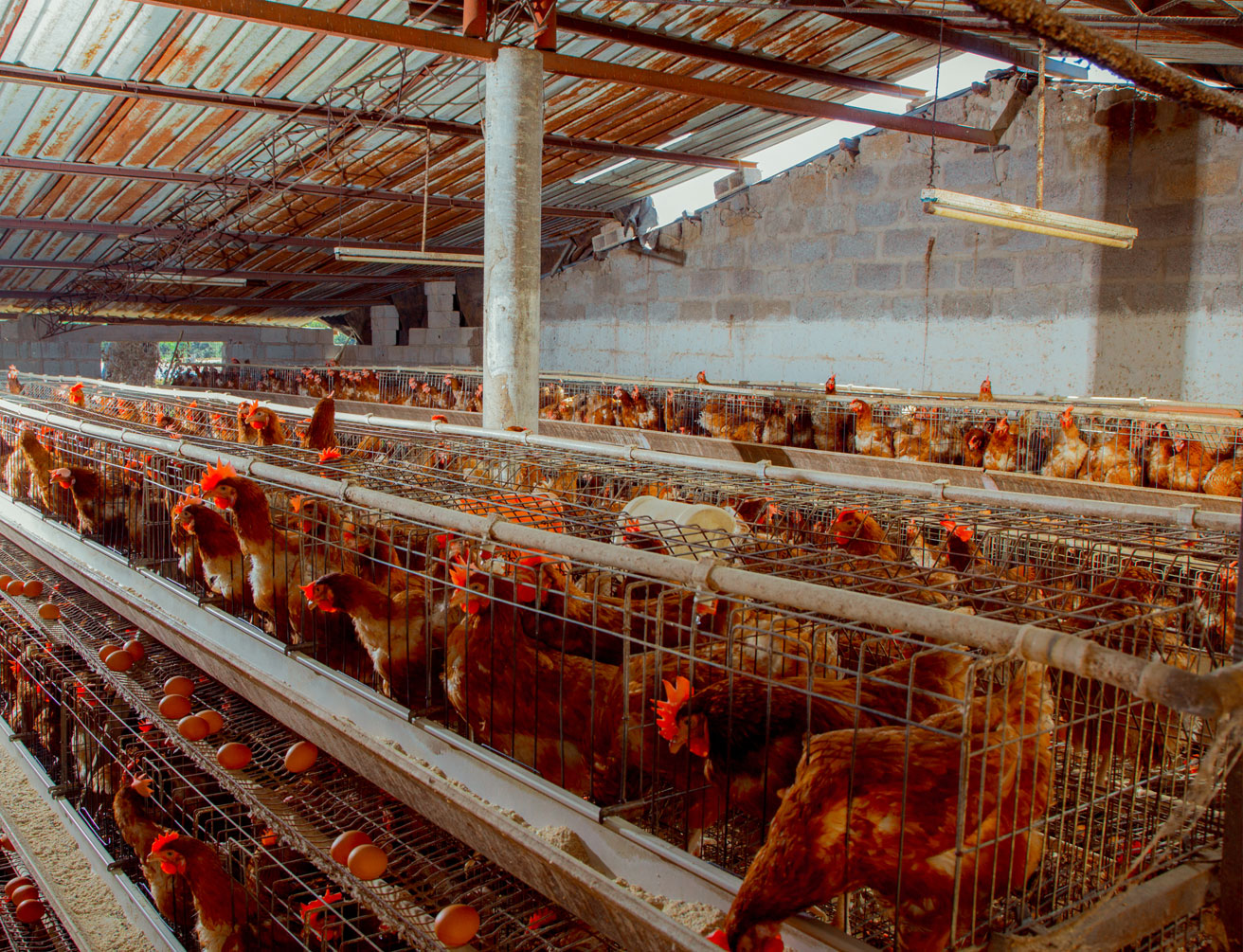
For poultry producers, the development is significant because maize remains one of the key ingredients in commercial feed. Lower prices for a major feed component can reduce pressure on feed manufacturers and potentially provide some relief to farmers operating under tight margins.
Anina Hunter, feed director at Epol, said the strong harvest had created a favourable balance between local maize supply and demand, supporting greater price stability.
She cautioned, however, that a decline in maize prices does not automatically translate into an equivalent reduction in the price of finished poultry feed. Feed manufacturers must also account for other raw materials, processing, procurement, transportation and logistics expenses, while commodity markets remain exposed to volatility.
Feed represents about 70% of input costs for livestock producers, making movements in maize and other major feed ingredients particularly important to farm profitability. Hunter said favourable commodity prices had already contributed to softer feed selling prices during the previous financial year.
The outlook for the next production season is less certain. Attention is increasingly turning to the 2026/27 maize season, when weather conditions could significantly influence production and prices.
Poultry producer and abattoir owner Jeremiah Jotham said the current surplus would normally create expectations of significantly lower feed prices. However, possible El Niño conditions and the risk of drought could change the picture.
He said farmers may need to build maize reserves if dry conditions emerge, while higher fuel costs could add further pressure to transportation and other production expenses.
Jotham expects the current surplus to prevent a sharp increase in feed prices, although costs could remain around current levels or rise depending on the severity of future drought conditions. He stressed that this was his personal assessment, not a scientific forecast.
For poultry farmers, the situation highlights the difficulty of relying on a single commodity to determine the final cost of feed. Even when maize becomes cheaper, prices of soybean meal, vitamins, minerals, additives, and other ingredients, along with electricity, manufacturing, and transport expenses, can influence the final price of a feed bag.
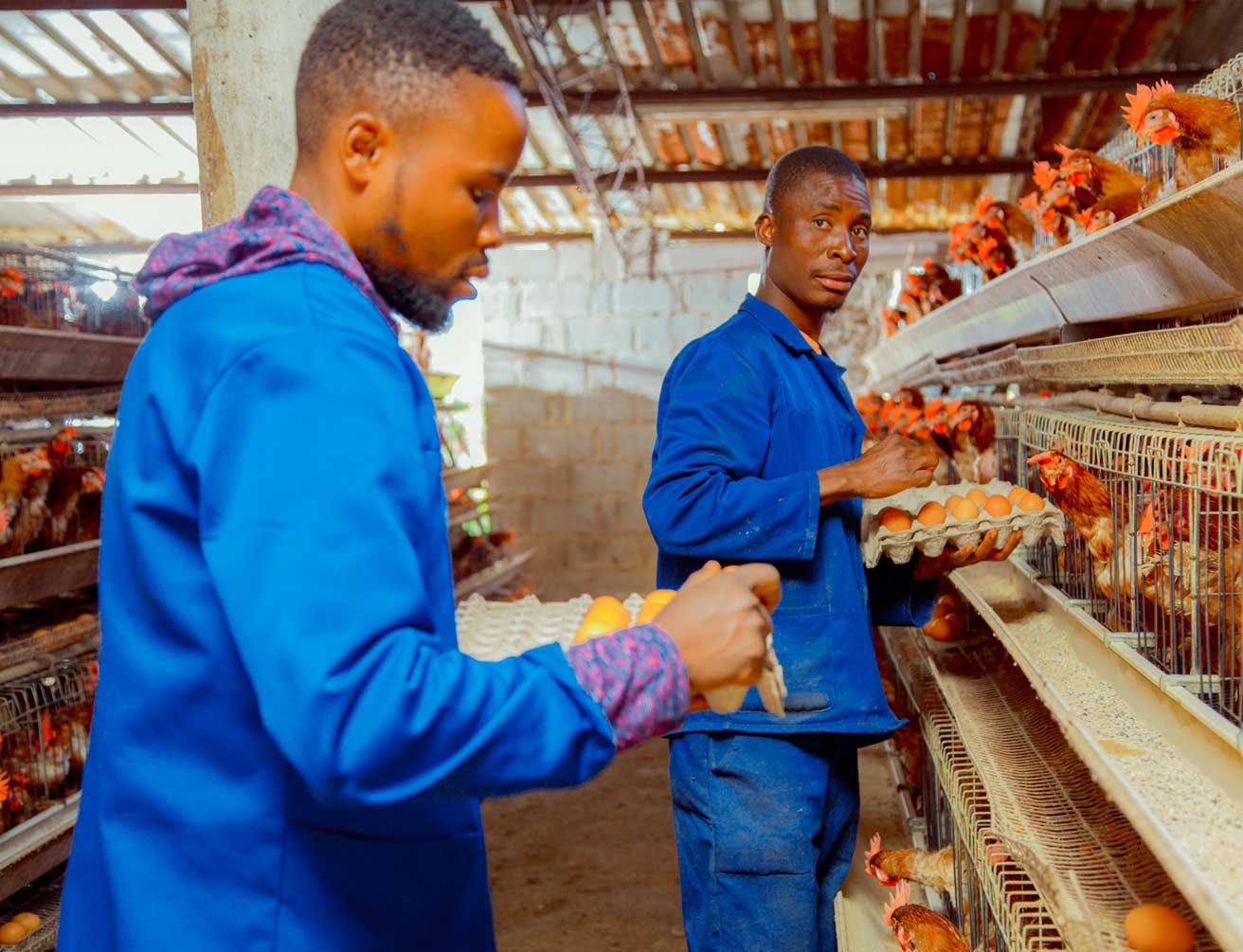
The challenge is particularly important for smaller poultry enterprises, which often have less purchasing power and limited capacity to absorb sudden increases in input costs.
Jotham believes greater integration across the poultry and feed value chain could offer another way to reduce production costs. He pointed to a model linking poultry farms, abattoirs, rendering facilities and feed mills so that waste products can be converted into useful feed ingredients.
For example, blood generated during poultry processing can be collected and processed into blood meal, which can subsequently be used as a protein source in animal feed. Such systems can reduce waste while creating additional value from materials that might otherwise require disposal.
Greater integration could also reduce reliance on external suppliers for some inputs and create a more circular production system. For smaller producers, however, such investments would require access to capital, appropriate technology, reliable infrastructure and sufficient production volumes to be commercially viable.
The South African experience also carries wider lessons for Africa’s poultry industry, where feed remains one of the largest expenses facing producers. Maize and soybean prices, fuel costs, weather conditions and transport infrastructure can quickly influence the cost of producing chicken and eggs.
Strong harvests can therefore provide valuable short-term relief, but long-term feed-cost stability requires more than favourable grain prices. Better storage, local production of feed ingredients, efficient transport, value addition and stronger links between different stages of the poultry value chain can help producers manage market shocks.
South Africa’s maize surplus has created an important window of relief for poultry producers, but the benefit remains vulnerable to weather, fuel and other input costs. Building more integrated and efficient feed and poultry value chains could help farmers capture greater value from local resources while strengthening the industry’s resilience against future price and climate pressures.
source:https://poultrynews.africa/2026/09/21/maize-surplus-in-south-africa-provides-relief-for-poultry-farmers-amid-looming-drought-risks/